
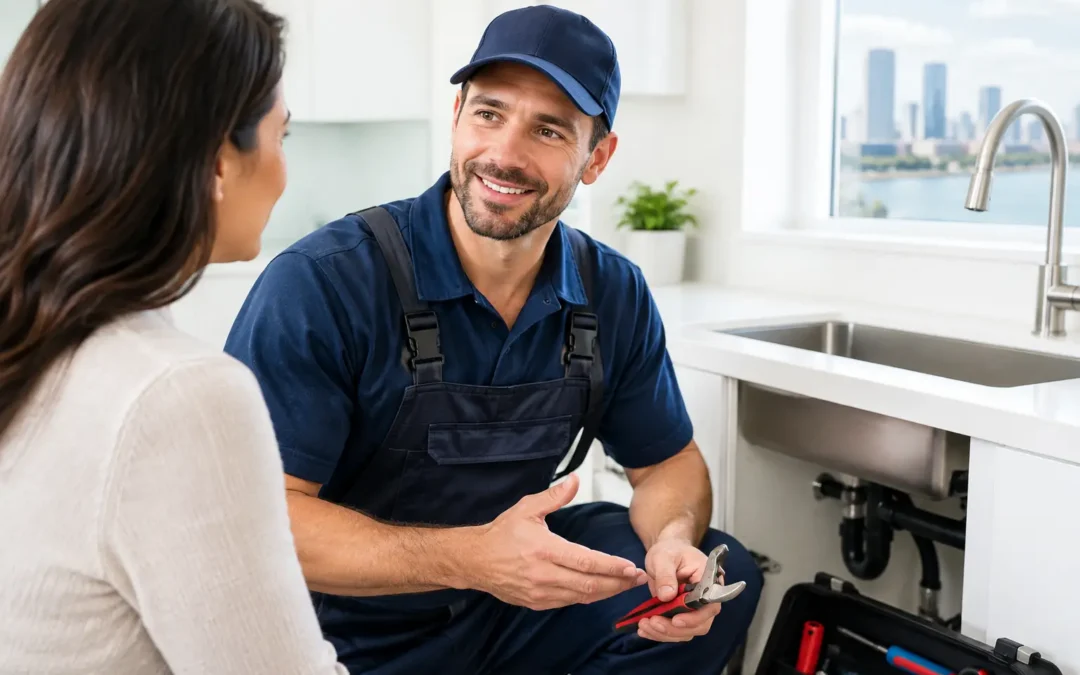
A leaking water heater, a toilet that will not stop running, or a sudden drop in water pressure can turn an ordinary day into a property problem fast. When you need a Jacksonville plumber, the goal is not simply to get someone to your door. You need a licensed professional who can identify the cause, explain the repair plainly, respect your property, and do work that holds up after the truck leaves.
For homeowners, landlords, and business owners, plumbing decisions often come down to timing. Some problems need immediate attention to prevent water damage. Others give you time to compare options, plan an upgrade, or coordinate work around tenants, customers, or a renovation schedule. Knowing the difference can save money and prevent a small issue from becoming a much larger repair.
When to Call a Jacksonville Plumber Right Away
Visible water where it does not belong is a reason to act quickly. A burst supply line, active ceiling leak, overflowing toilet, or water heater that is leaking from the tank can damage flooring, drywall, cabinets, and personal belongings in a short period of time. If it is safe to do so, shut off the water at the fixture or the main water shutoff, then call for help.
A sewer backup also deserves prompt attention. Slow drains in one sink may be a local clog. Slow drains, gurgling toilets, or sewage coming up through a tub or shower can point to a larger drain-line issue. Avoid repeatedly using chemical drain cleaners while you wait. They may not solve the blockage and can create an additional hazard for anyone working on the line.
Water heater concerns can be urgent too, especially if you notice a gas smell, puddling around the unit, rust-colored water, banging noises, or no hot water at all. The right repair depends on the age and condition of the unit. Sometimes a component can be replaced. In other cases, putting more money into an aging tank is not the practical choice.
For rental and commercial properties, quick communication matters just as much as the repair. A tenant may not know where the shutoff is located or how serious a leak appears. A responsive contractor can help assess the situation, coordinate access, and give the property owner a clear picture of what needs to happen next.
What a Jacksonville Plumber Should Check Before Recommending Work
Good plumbing service starts with diagnosis, not a guess. A plumber should ask what you have noticed, inspect the affected fixture or line, and look for signs that the visible problem has a larger cause. For example, a dripping ceiling may come from a supply line, drain line, roof penetration, upstairs shower, or air-conditioning issue. Fixing the wrong source only delays the real repair.
For low water pressure, the cause might be a clogged fixture, a failing pressure regulator, a corroded supply line, a partially closed valve, or a problem affecting more than one area of the property. The best solution depends on where the pressure loss occurs and whether the issue is isolated or system-wide.
That same approach applies to recurring drain clogs. Clearing a clog may restore service, but repeated backups can indicate a damaged line, root intrusion, poor slope, buildup, or a fixture that is not venting correctly. A clear explanation of the findings gives you the information needed to choose between a short-term repair and a more lasting correction.
You should also expect straightforward discussion about materials. Not every repair requires the most expensive option, but cheap materials installed in a hard-to-reach location can create trouble later. A knowledgeable contractor can explain what is being used, why it fits the job, and where a higher-quality part may be worth the added cost.
Choosing a Plumber for Repairs, Remodels, and Larger Projects
Plumbing work is not all emergencies. A kitchen remodel, bathroom renovation, new water heater, water filtration system, or new-construction project needs planning before walls are closed or cabinets are installed. Choosing the right plumber early helps prevent layout conflicts, missed connections, and expensive changes late in the project.
For a remodel, talk through how you actually use the space. Moving a sink, shower, toilet, or laundry area may involve changes to supply lines, drains, vents, and the overall layout. Sometimes the design you want is fully workable. Other times, keeping a fixture near its current location can reduce labor and protect the budget. A contractor should be honest about that trade-off rather than promising that every change will be simple.
Water treatment is another area where the best answer depends on the property. A water softener can help with hard-water concerns, while filtration may address taste, odor, sediment, or specific water-quality goals. The right system should fit your water conditions, household or business use, available space, and maintenance expectations. Bigger is not automatically better.
For new construction and commercial work, coordination is essential. Plumbing has to fit the building plan, local requirements, other trades, and the project schedule. Property owners benefit from working with a contractor who can communicate directly, procure materials when needed, and address changes before they slow down the job.
Questions Worth Asking Before You Schedule
Price matters, but the lowest number on an estimate does not always represent the lowest overall cost. Before approving work, ask whether the plumber is licensed and insured, what the estimate includes, and whether there are possible conditions that could change the scope once the work begins. A clear answer is more useful than a vague promise.
It also helps to ask who will be doing the work and how communication will be handled. With an owner-operated local contractor, you are more likely to speak directly with the person responsible for the job. That can make a real difference when you need an update, have a question about a material choice, or need to coordinate access for a tenant.
For planned work, ask about scheduling, material availability, and how the work area will be protected. A professional should take reasonable steps to keep the jobsite clean and treat floors, cabinets, landscaping, and surrounding finishes with care. Plumbing repairs can be disruptive by nature, but they should not leave you with unnecessary damage or a mess to solve on your own.
Hartley Maintenance Services provides licensed and insured plumbing service for homes and businesses throughout Jacksonville, St. Johns County, and nearby Beaches communities, with direct owner involvement, free estimates, and 24/7 availability for urgent needs.
Simple Steps That Can Limit Damage Before Help Arrives
You do not need to diagnose a plumbing failure yourself, but a few safe actions can make a difference. If you have an active leak, turn off the nearest fixture valve if it is accessible and working. If you cannot stop the flow there, use the main shutoff valve. Keep buckets and towels away from electrical outlets, and do not stand in pooled water near electrical equipment.
Take a few photos of the affected area before moving too much. For landlords and property managers, photos can help document the issue and give the contractor useful context before arrival. If a toilet is overflowing, remove the tank lid and close the flapper if you can do so safely, then shut off the valve behind the toilet.
Avoid using drains, toilets, dishwashers, or washing machines if you suspect a sewer backup. Additional water can worsen the overflow. If you smell gas near a water heater or other appliance, leave the area and follow the appropriate emergency guidance before arranging service.
A Local Relationship Makes Future Repairs Easier
The best time to find a reliable plumber is often before a major emergency. Once you have worked with someone who explains the work clearly and treats your property well, future maintenance and repair decisions become less stressful. That relationship is especially useful for rental owners, busy households, and commercial properties where a fast response can protect occupants and reduce downtime.
Pay attention to early warning signs such as an unexplained increase in the water bill, a toilet that runs between uses, moisture under a sink, a water heater nearing the end of its expected service life, or sprinklers that leave wet areas long after a cycle ends. Addressing those concerns early usually gives you more choices and more control over the schedule.
When something goes wrong, do not feel pressured to accept an explanation you do not understand. Ask what caused the issue, what the repair involves, and what can be done to reduce the chance of it returning. A good plumber will give you clear answers and help you make a practical decision for your home, rental, or business.