
A slow kitchen sink before a family gathering, a shower that holds water around your feet, or a toilet that gurgles when the washing machine drains can all point to the same issue: the drain line is restricted. Drain cleaning is not always a major repair, but waiting for a small blockage to become a full backup can turn a manageable service call into water damage, cleanup, and disruption.
For homeowners, landlords, and business owners in Jacksonville, the right response depends on where the clog is, what is causing it, and whether it keeps coming back. A plunger may handle a simple toilet stoppage. Repeated clogs, sewage odors, or water appearing in more than one fixture call for a closer look at the plumbing system.
What Drain Cleaning Actually Solves
Drain cleaning removes or breaks apart material that is restricting the flow of wastewater through a pipe. In a bathroom, the blockage may be hair, soap residue, toothpaste buildup, or a small item that fell into the drain. Kitchen drains commonly collect grease, food particles, coffee grounds, and detergent residue. A main sewer line can be affected by wipes, heavy paper products, roots, broken pipe sections, or scale inside older piping.
The location matters. If only one bathroom sink is slow, the problem is often in that fixture’s drain or trap. If a toilet bubbles while a nearby tub drains, or multiple fixtures are backing up at the same time, the restriction may be farther down the branch line or in the main sewer line.
Cleaning the line restores flow, but it should also answer a more useful question: why did it clog? A drain that blocks again within weeks may need more than a basic cable machine. It may need a camera inspection, a different cleaning method, or repair of a damaged section of pipe.
Signs You Should Schedule Drain Cleaning
A completely blocked drain is easy to recognize. The earlier warning signs are where property owners can often avoid a mess. Pay attention when water drains noticeably slower than usual, toilets need frequent plunging, drains make gurgling sounds, or unpleasant sewer odors appear near fixtures.
There are several signs that deserve prompt professional attention:
- Water backs up into a tub or shower when a toilet is flushed.
- More than one sink, toilet, or floor drain is draining slowly.
- Sewage or dirty water comes up through a low drain, shower, or cleanout.
- A clog returns soon after plunging or using a store-bought product.
- You notice wet areas, strong sewer smells, or unusually green patches outside near a sewer line.
For rental homes and commercial spaces, a quick response matters even more. Tenants and employees need usable restrooms and kitchens, and a backup can damage flooring, walls, inventory, and personal belongings. Addressing the warning signs early is usually less disruptive than responding after the line has overflowed.
When a Simple Fix Is Reasonable
Some minor clogs can be handled safely without a service call. A sink stopper can often be removed and cleaned when hair and soap buildup are visible near the top of the drain. A plunger can help clear a toilet obstruction when the toilet is the only affected fixture and there are no signs of a larger backup.
Use a proper sink or toilet plunger, and make sure there is enough water to create a seal. For a sink, blocking the overflow opening can improve the plunger’s effectiveness. If the clog clears and drainage returns to normal, keep an eye on it rather than assuming the issue is permanently solved.
A hand-operated drain snake can help with a shallow bathroom sink clog, but it has limits. Forcing a cable can damage a fixture, get stuck in the pipe, or push the blockage farther into the line. It is also not the right tool for a suspected main sewer problem.
Why Chemical Drain Cleaners Often Create More Problems
Many people reach for liquid drain cleaner because it seems fast and inexpensive. The trade-off is that harsh chemicals may not remove the full blockage, especially if the problem is grease, roots, wipes, or an object in the pipe. The product can sit in standing water, generate heat, and potentially damage older pipes, seals, or fixtures.
Chemical cleaners also create a safety concern for anyone who works on the drain afterward. A plumber opening a trap or using a cable in a line containing caustic chemicals can be exposed to splashing material. If you have already used a product, tell the plumber before work begins.
For recurring clogs, professional mechanical cleaning is generally a safer and more useful approach. It removes material from the line instead of relying on chemicals that may only open a narrow path through the blockage.
Choosing the Right Drain Cleaning Method
There is no single method that works best for every drain. The right equipment depends on the pipe size, the location of the clog, the condition of the plumbing, and what is believed to be inside the line.
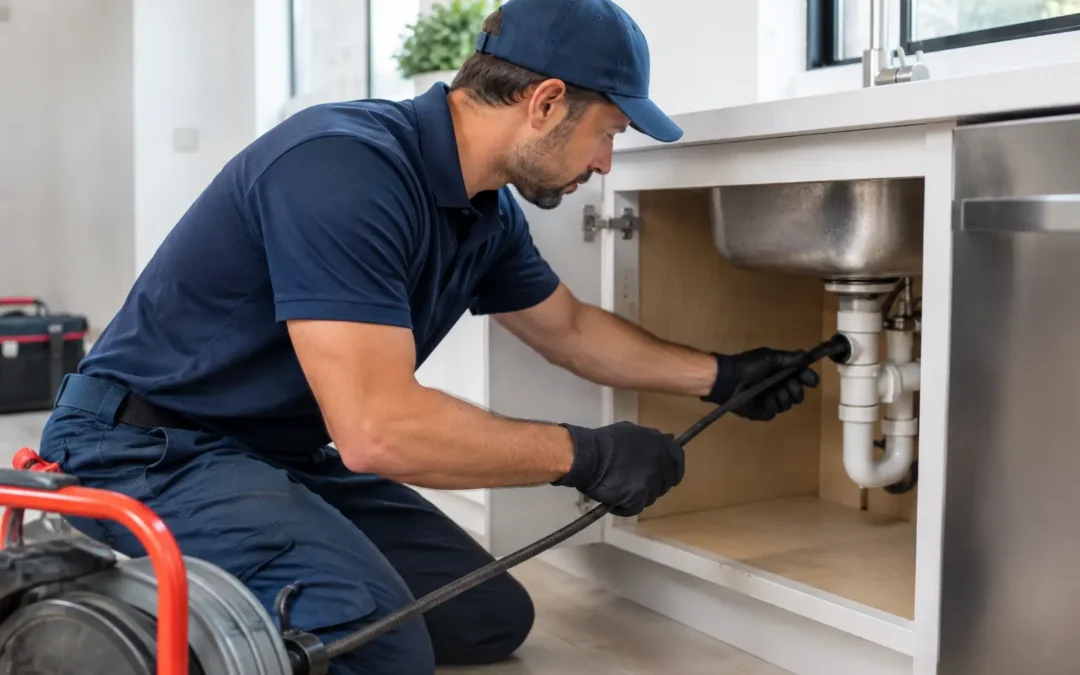
A drain cable, sometimes called a drain snake or auger, is often effective for hair, paper, soap buildup, and ordinary household obstructions. The cable travels through the pipe and uses a cutting head to break up or retrieve the blockage. It is commonly used for sinks, tubs, toilets, and smaller branch lines.
For grease-heavy commercial kitchen lines or larger buildup in a sewer line, hydro jetting may be considered. This process uses pressurized water to clean the inside of the pipe more thoroughly than a cable alone. It can be highly effective, but it is not appropriate for every system. Older, cracked, or compromised pipe may need inspection first so cleaning pressure does not worsen an existing problem.
A sewer camera inspection is especially valuable when a clog returns or a main line has repeated backups. The camera can reveal roots, pipe separation, bellies in the line, heavy scale, construction debris, or a damaged section that cleaning alone will not correct. Spending money to identify the actual cause can prevent repeated service calls and guesswork.
Common Drain Problems in Jacksonville Properties
Jacksonville properties range from newer construction to older homes with aging plumbing materials. That difference affects drain problems. In an older home, interior cast-iron drain lines may develop scale and rough surfaces that catch waste and paper. Sewer lines can also be affected by root intrusion, soil movement, or deteriorating connections over time.
In newer homes, clogs are more often related to what enters the drain. Grease should never be poured into a kitchen sink, even with hot water running. It cools as it moves through the plumbing and can collect other debris along the way. Disposable wipes, feminine hygiene products, paper towels, cotton swabs, and dental floss do not belong in a toilet, regardless of package claims.
Vacation properties, rentals, and commercial spaces need clear expectations as well. Guests or tenants may not know what has gone down the drain before a problem appears. Keeping records of past backups, repairs, and drain cleaning visits helps identify whether the issue is a one-time blockage or an ongoing condition in the plumbing system.
Practical Habits That Help Keep Drains Clear
Good drain care is mostly about preventing the wrong materials from entering the system. Use sink strainers in bathroom and kitchen drains, empty them regularly, and wipe grease from pans into the trash before washing. Run enough water when using a garbage disposal, but remember that a disposal is not meant to process large amounts of food waste.
In bathrooms, remove visible hair from the stopper before it collects below the drain opening. Flush only toilet paper and human waste. For properties with a history of sewer issues, ask about a maintenance schedule that matches the age and condition of the plumbing rather than waiting for the next emergency.
Avoid treating frequent clogs as normal. A drain that needs regular plunging is telling you something about the line. Early troubleshooting is usually more predictable and less stressful than a weekend or after-hours backup.
A Clear Next Step When the Drain Will Not Stay Clear
If one fixture is slow, start with the simple checks you can safely perform. If several fixtures are affected, sewage is backing up, or the clog comes back after a temporary fix, stop using water in that area and have the line evaluated. That helps limit the chance of an overflow while the source of the restriction is found.
Hartley Maintenance Services provides straightforward drain troubleshooting for Jacksonville-area homes, rentals, and businesses, with direct communication about what the work involves and what the next step should be. A properly cleaned drain should do more than get water moving for the day. It should give you a clearer answer about the condition of the plumbing and the best way to keep the problem from returning.